

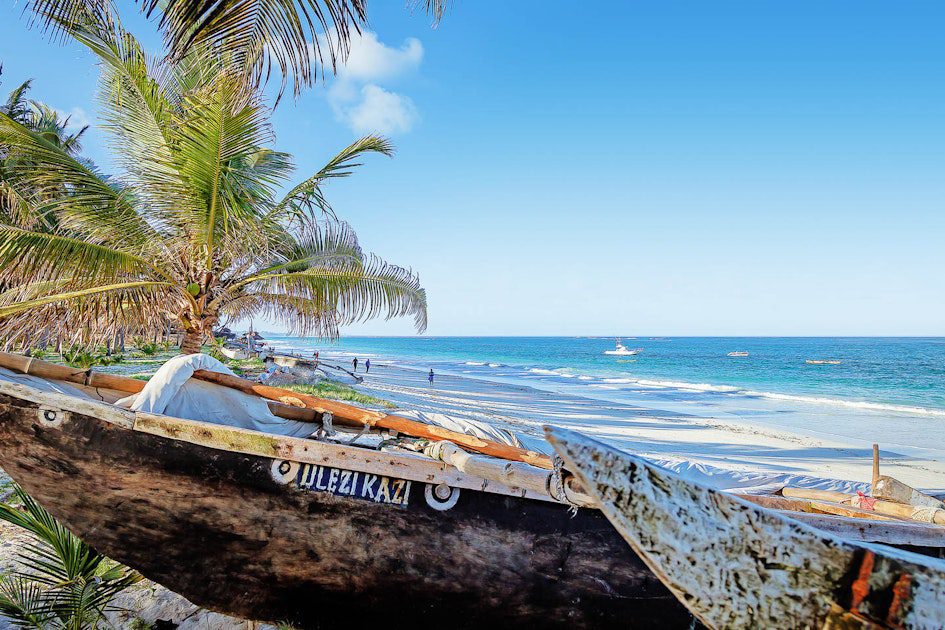
The top bucket list experiences in Kenya require active participation, not just sitting in a safari minivan. To execute a flawless trip, you must book a hot air balloon over the Maasai Mara, snorkel the coral gardens in Watamu, sail on a sunset dhow cruise in Diani, and test your endurance by hiking Mount Longonot.
Most tourists fly 15 hours to Kenya just to look at animals through a glass window and sit by a generic hotel pool. That is a wasted flight. A true bucket list itinerary is about scale, adrenaline, and accessing environments that you cannot replicate anywhere else on earth. Here is the definitive guide to Kenya’s elite adventures, what they actually cost, and the logistical realities of booking them.
THE ESSENTIALS BOX
- Best time to execute: August to October (clear skies for balloons, peak whale migration in Watamu).
- Budget Range: From $40 (crater hikes) to $500+ (balloon safaris) per person.
- The Golden Rule: Always pre-book high-ticket items like hot air balloons months in advance; walk-ins are rejected during peak season.
- Biggest Mistake: Letting a cheap street vendor book your coastal excursions. Always use verified operators.
At a Glance: The Ultimate Kenya Bucket List
| Experience | Location | Est. Cost (Per Person) | The Vibe |
| Hot Air Balloon Safari | Maasai Mara | $400 – $500 | Elite, silent aerial wildlife viewing |
| Snorkeling Marine Parks | Watamu | $40 – $80 | Crystal clear water & sea turtles |
| Sunset Dhow Cruises | Diani Beach | $80 – $150 | Swahili culture, seafood, and ocean sunsets |
| Crater Rim Hike | Mount Longonot | $30 – $50 | Extreme physical challenge & Rift Valley views |
Why Is a Hot Air Balloon in Maasai Mara the Ultimate Safari Upgrade?
A hot air balloon in the Maasai Mara completely changes your perspective of the African savannah. From the ground, you see the animals in front of you. From 1,000 feet up, you see the mathematical scale of the Great Migration and the exact paths predators use to hunt.
The Reality: It is expensive (averaging $450), and it requires a brutal 4:30 AM wake-up call so you are in the air exactly at sunrise. But the silence is unmatched—there is no diesel engine noise, just the roar of the burner. The flight lasts roughly an hour and always concludes with a full champagne breakfast cooked directly on the open plains where you land. Book this through your Bucketlist Kenya curation team to ensure you fly with fully certified, elite pilots.
What Makes Snorkeling in Watamu a Mandatory Coastal Stop?
If you are going to the coast specifically for marine life, skip the crowded southern beaches and head north to Watamu. The Watamu Marine National Park is heavily protected by the Kenya Wildlife Service, meaning the coral gardens are alive and the water clarity is arguably the best in East Africa.
The Reality: You will be snorkeling alongside endangered green sea turtles, moray eels, and massive schools of surgeonfish. If you time your trip for August or September, you can upgrade your boat trip to include humpback whale watching as they migrate past the Watamu coastline. Pack high-quality, reef-safe sunscreen to avoid damaging the ecosystem.
How Do You Execute Flawless Dhow Cruises in Diani?
You cannot leave the Kenyan coast without sailing on a traditional Swahili wooden dhow. While many operators run basic sunset sails, the ultimate bucket list version involves a full-day excursion from Diani to the Kisite-Mpunguti Marine Park near Wasini Island.
The Reality: You sail out on a massive, hand-carved mahogany boat. You swim with wild dolphins in the open ocean, snorkel the barrier reef, and then drop anchor at Wasini Island for a massive, multi-course lunch of freshly caught crab, lobster, and Swahili coconut rice. It is the definitive luxury coastal day trip.
Is Hiking Mount Longonot the Best Active Adventure?
Not everything on a bucket list requires spending $500. Hiking Mount Longonot in the Great Rift Valley is a brutal, intensely rewarding physical challenge that costs less than $50. It is a dormant stratovolcano located just an hour outside Nairobi.
The Reality: The hike up the steep, dusty trail to the crater rim takes about 90 minutes. But the real bucket list achievement is walking the entire 7.2-kilometer circumference of the rim itself. You are walking on a razor-thin volcanic ridge with sweeping views of Lake Naivasha on one side and a massive, forested crater floor on the other. Start the hike exactly at 7:00 AM before the Rift Valley sun bakes the trail.
PRO TIPS FOR BUCKET LIST TRAVELERS
- The Balloon Wardrobe: Do not wear a skirt or a dress on a hot air balloon safari. You must climb awkwardly into a tall woven basket, and the landing can sometimes tip the basket onto its side. Wear flexible trousers and a heavy fleece for the freezing pre-dawn launch.
- The Boat Sourcing: In Diani and Watamu, “beach boys” will try to sell you cheap snorkeling trips. Decline them. They often use unsafe, uninsured boats with faulty life jackets. Only book marine excursions through your luxury hotel or a verified agency.
- The Longonot Hydration: There is zero shade and zero water available once you begin the Mount Longonot hike. You must carry at least 3 liters of water per person in a proper hydration pack.
Frequently Asked Questions About Kenya Bucket Lists
Is the hot air balloon in the Maasai Mara worth the money?
Yes, unequivocally. While $450+ is a significant investment, it covers a highly complex aviation operation, the flight itself, a fully catered champagne breakfast in the bush, and a specialized KWS landing fee. It is widely considered the single highest-value luxury experience on a Kenyan safari.
Do I need a wet suit for snorkeling in Watamu?
No. The Indian Ocean water temperature in Watamu hovers around 27°C to 29°C (80°F to 84°F) for most of the year. A standard swimsuit and a UV-protective rash guard (to prevent severe sunburn on your back while floating) are all you need.
How hard is the Mount Longonot hike?
Hiking Mount Longonot is physically demanding and requires a solid baseline of cardiovascular fitness. The initial ascent is steep and covered in loose volcanic dust (pumice) which makes it slippery. Walking the full crater rim adds another two hours of aggressive elevation changes. Wear proper hiking boots with deep treads.